Millions of LGBTQ+ people live in rural areas, and many are there on purpose. What research says about the challenges, what protects rural residents, and how to find or build community far from the city.
Queer life is often pictured in cities: clubs, neighborhoods, marches. The countryside appears in the same stories as the place people leave. That picture is incomplete. Millions of LGBTQ+ people live in rural areas and small towns, and many of them are there on purpose.
The scale is easy to underestimate. The Movement Advancement Project, a US think tank, estimates that three million or more LGBT people call rural America home. Research on rural communities is relatively young, but the picture it paints is consistent: rural LGBTQ+ people face many of the same challenges as their neighbors, but with fewer protections and fewer alternatives when things go wrong.
The Trevor Project's survey of LGBTQ+ youth found that nearly half of respondents in rural areas and small towns described their community as somewhat or very unaccepting of LGBTQ+ people, compared with just over a quarter in urban and suburban areas. Only four percent of rural LGBTQ+ youth said their community was very accepting. They also reported higher rates of LGBTQ-based discrimination and physical harm in the past year than their urban peers. Among midlife and older adults, a study led by researchers at Vanderbilt University found that those in rural areas were about twice as likely to say they had very few people they could talk to about being LGBTQ+.
Isolation has concrete causes: fewer affirming services, long distances, limited public transport, and the fact that coming out in a small place means coming out to everyone. But the same studies point to what protects people. Access to an LGBTQ-affirming school is linked to lower suicide risk for youth in small towns and rural areas, according to The Trevor Project. Among older adults, "chosen family" networks often step in where relatives are absent or rejecting, providing care and connection that formal resources cannot.
Many of the people in these places are not there by accident. Some grew up in the area and decided to stay, others moved back after years in the city. The reasons sound familiar to anyone who has weighed a move: family land, affordable housing, a business to run, or simply a slower pace. For a couple that wants a garden and neighbors who know their names, a small town can be the deliberate choice, not the fallback. That choice gets easier as internet access improves, because work, friendship and community increasingly survive the distance.
Help exists, and it is growing. The Queer-Oriented Rural Resources Network, or QORRN, is a volunteer project that maps providers and support services for LGBTQ+ people in rural communities across the United States. Regional groups, online networks and small local pride events connect people across the distances. In many towns, the first meeting is two or three people in a cafe; some of those meetings grew into organizations that now run a festival each year.
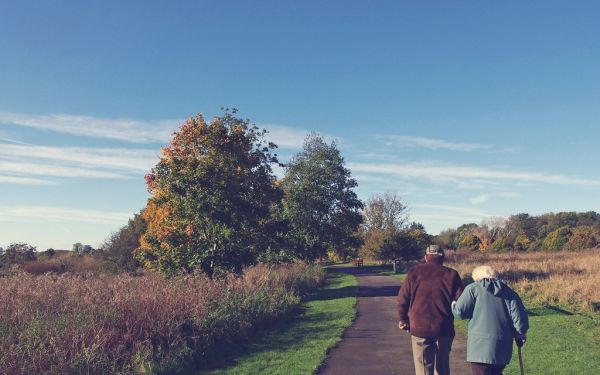
Practical help also flows where you might not expect it. The Vanderbilt study found that rural LGBTQ+ older adults were more likely than their urban counterparts to have received practical help, such as repairs or errands, from others in the past year. Close communities can be remarkably solid on the practical level, even when they are thinner on identity affirmation. The task is often to build the emotional support network that matches the practical one.
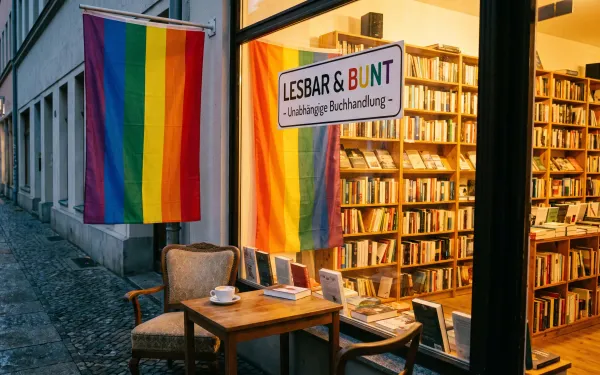
A visible signal helps, and it is increasingly common. Small-town pride events, once rare, now exist across the country, from county fairs with a rainbow booth to weekend festivals organized by local volunteers. They do double duty: they give local LGBTQ+ people a reason to gather, and they show everyone else that queer people are part of the town. Organizers often say the hardest part is the first year; after that, the event becomes part of the local calendar.
For anyone moving to the countryside, a few steps help. Look for regional groups and online communities before you arrive. Find out whether a nearby town has a pride committee or a social group. If nothing exists, consider starting a small meetup; the bar is lower than most people think. And once you are there, take part in the life of the place. Helping with the local fair or the community garden does more for acceptance than any argument could.
Visible residents change attitudes over time. A young person who sees an adult living openly nearby gets a reference point that no pamphlet provides. Rural life is not a guarantee of loneliness. It is a choice that asks for community, and that is precisely its strength.
Frequently asked questions
Last reviewed: 21. September 2026