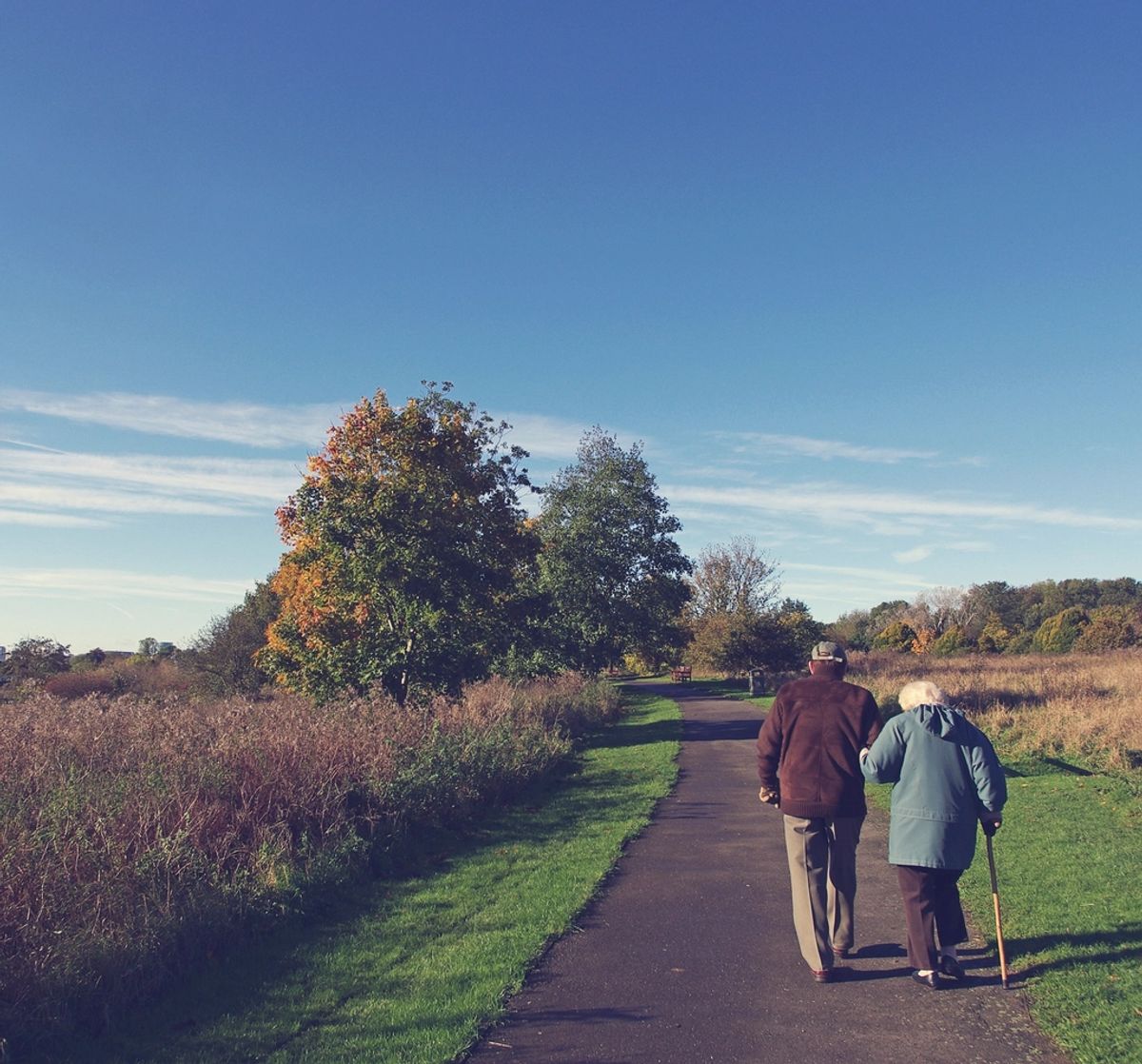
Many older LGBTQ+ people don't have children to lean on, and ties to family of origin are often strained or broken, raising the risk of isolation in old age. Many also fear discrimination once they need professional care, which sometimes leads them to hide their identity again. Here's a look at those challenges and at real resources like SAGE.
Why growing older looks different for LGBTQ+ people
Many LGBTQ+ people now in their sixties, seventies, or older spent decades of their lives without legal protection and without social acceptance. Depending on where and when they grew up, that could mean criminalization, job loss for being outed, or a family that never came around. Those experiences shape how LGBTQ+ people think about aging today, and they explain why care in later life often looks different for them than for their straight, cisgender peers.
Loneliness is a real risk, not a stereotype
A key difference is the family safety net. Many older lesbians, gay men, bisexual, and transgender people don't have children who could offer support or care as they age. At the same time, contact with families of origin has often been reduced or cut off entirely: a coming-out that was never accepted keeps having consequences decades later. Where straight seniors can often lean on children, grandchildren, or siblings, that network is more frequently missing for LGBTQ+ elders. Chosen family and friend circles from the community help fill the gap, but they age too: when an entire generation grows old together, close friends are often lost around the same time. Aging services organizations have flagged elevated rates of social isolation among LGBTQ+ older adults for years, with real consequences for both mental and physical health.
Fear of the nursing home
Needing professional care already means giving up a degree of independence. For LGBTQ+ people, there's frequently an added worry: facing rejection all over again in an unfamiliar setting. Advocates for LGBTQ+-inclusive aging care describe residents who worry that staff will treat them differently once their sexual orientation or gender identity becomes known. That can mean anything from noticeably colder care to outright refusal, particularly in facilities run by religious organizations. Even routine questions, like being asked about a "husband" or "wife," can be painful for people whose partnership was never legally recognized, or whose partner died without ever being acknowledged as next of kin.
Going back into the closet
Advocates who work in LGBTQ+ elder care describe a recurring pattern: people who have lived openly for decades start hiding their identity again once they move into a care facility. It happens out of fear of prejudice from fellow residents or staff, or simply because the new environment, often shaped by a different generation and different attitudes, doesn't feel safe. Coming out again risks stigma; staying hidden means giving up a meaningful part of one's own history, often at the exact moment support matters most.
SAGE: decades of advocacy for LGBTQ+ elders
In the United States, the organization best known for tackling these problems head-on is SAGE (Services and Advocacy for GLBT Elders), founded in 1978 and now the country's largest and oldest organization dedicated to LGBTQ+ older adults. Through SAGECare, SAGE trains aging-service providers, including nursing homes, assisted living facilities, and home care agencies, in LGBTQ+ cultural competency. Organizations that complete the training can earn a SAGECare credential, which helps LGBTQ+ elders and their families identify providers who understand their needs. SAGE also runs SAGE Centers offering in-person community and services in several states, SAGEYou for virtual connection nationwide, and the SAGE National LGBTQ+ Elder Hotline (877-360-5428), staffed 24/7 in English and Spanish with translation available in 180 languages for anyone who just needs someone to talk to.
Finding LGBTQ+-affirming care
Beyond national organizations, many cities have local LGBTQ+ senior centers, drop-in groups, and volunteer visiting programs aimed specifically at combating isolation among older community members. When evaluating a care facility, it's worth asking directly whether staff have received LGBTQ+ cultural competency training, whether the facility has a written non-discrimination policy that explicitly includes sexual orientation and gender identity, and whether other LGBTQ+ residents or staff are present. SAGECare's directory of credentialed providers is a practical starting point for that search.
Planning ahead helps
Talking about aging and care needs before a crisis hits makes a real difference. Naming a healthcare proxy, documenting a partnership that was never legally formalized, and researching LGBTQ+-affirming facilities in advance can spare both the individual and their chosen family a lot of hardship later. Isolation in old age isn't inevitable. Organizations like SAGE, and the growing number of LGBTQ+-affirming care providers they help train, show that it's possible to age with community and dignity, even for those who need daily support.
Frequently asked questions
Last reviewed: 11. August 2026