Queer museums preserve more than art. They hold flyers, photographs, personal papers and everyday objects. Here is what to expect and how to plan a meaningful visit.
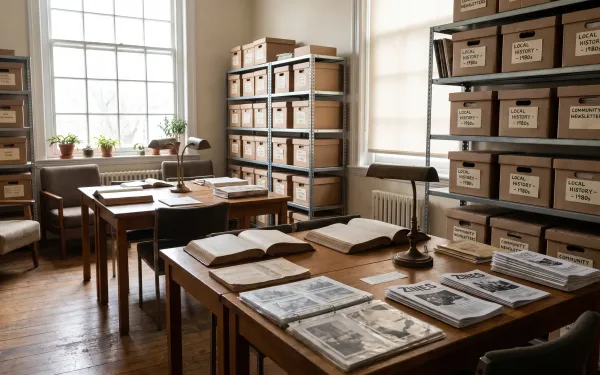
Queer history is not limited to major political events. It also survives in bar flyers, letters, photographs, magazines, association files and things that once seemed too ordinary to keep. Museums and archives make these traces available. A visit can show how varied queer lives have been without turning them into one neat story.
The Schwules Museum in Berlin describes its archive of more than 1.5 million objects as a major centre for research on LGBTIQ* history. Queer Britain in London identifies itself as the UK's national LGBTQ+ museum and combines a collection with changing displays. Both show that queer memory has many forms. Region, class, race, disability, faith and generation affect what was preserved and what went missing.
Museum, archive or temporary exhibition?
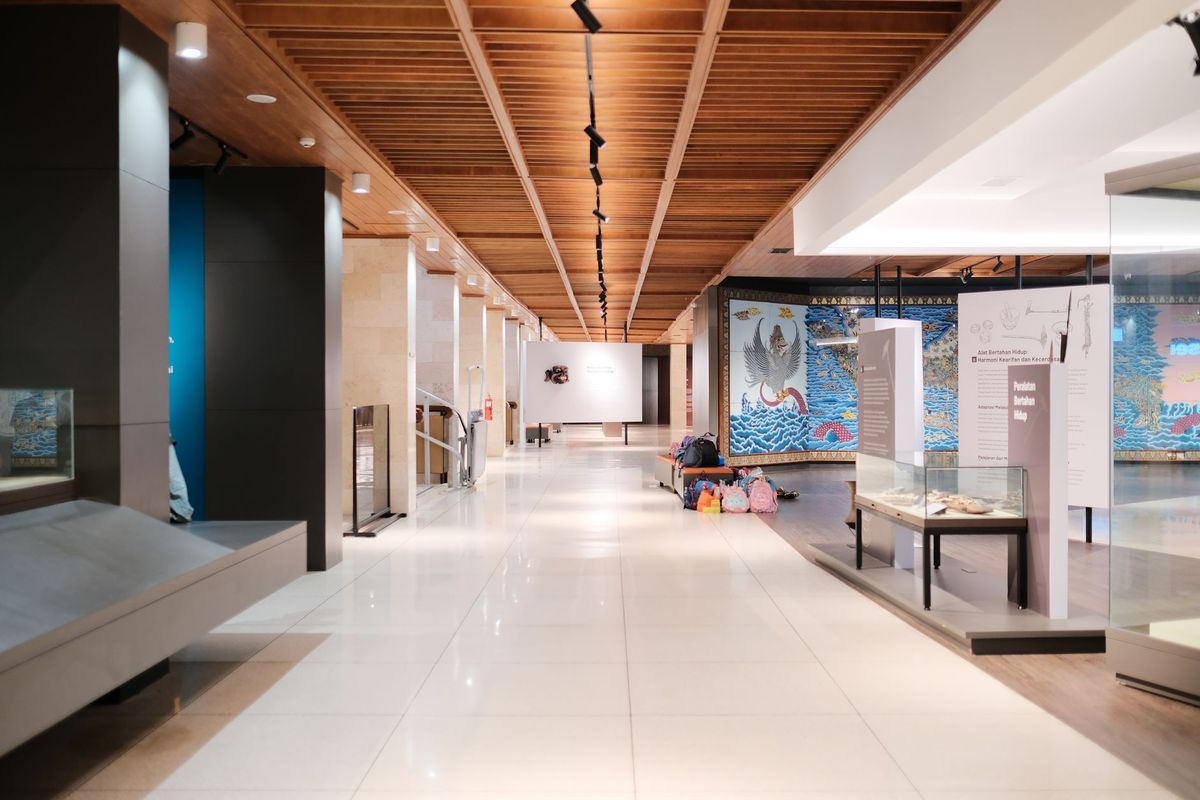
The terms are often used loosely. A museum displays and interprets objects in a public space. An archive preserves records, which may require an appointment or have access rules. An exhibition can be temporary and may happen in an art venue, library or community centre.
That distinction helps when planning. A permanent display is useful for an introduction. A temporary show usually explores a narrower question in more depth. Archives can be valuable when you are researching or considering a donation, but they are not public storehouses where everything is always on view.
Check before you travel
Use the institution's own website for opening hours, tickets, language of tours and accessibility information. For temporary exhibitions, check the dates as well. Programmes change, spaces may close and tours can sell out.
It helps to arrive with a question. Are you interested in local activism, art, rural queer life or a particular decade? A question gives a visit focus, while leaving room for the object you did not expect to find.
Notice the gaps
No collection represents a community in full. Fear of persecution kept many lives private; material was thrown away; institutions often collected the stories of cis gay men more readily than others. Strong exhibitions make these gaps visible. They explain who collected an object, where it came from and whose perspective is absent.
That is not a problem a museum can solve on its own. It is a reason to look carefully. Who is telling this story? Whose voice appears in quotation? Which lives are absent? Those questions make a visit more precise, not less personal.
Be considerate in the space
Some objects concern violence, HIV and AIDS, police repression or family rejection. Take a break if you need one. Photograph only where it is permitted. Archive material and works by living artists may have rules that are different from an ordinary photo backdrop.
You do not need specialist knowledge to join a tour. Ask about terms, sources or curatorial choices. Good interpretation can hold different experiences without claiming to speak for everyone.
Online exhibitions are worth exploring too. The Schwules Museum's “Unknown Objects: Newly Told Stories” presents items whose history is not fully known. It is a useful reminder that memory can contain unanswered questions.
Queer museums do not manufacture a conflict-free past. They show that people collected, passed on and defended their stories against erasure. That makes them places where the past has something direct to say about the present.
Frequently asked questions
Last reviewed: 30. September 2026