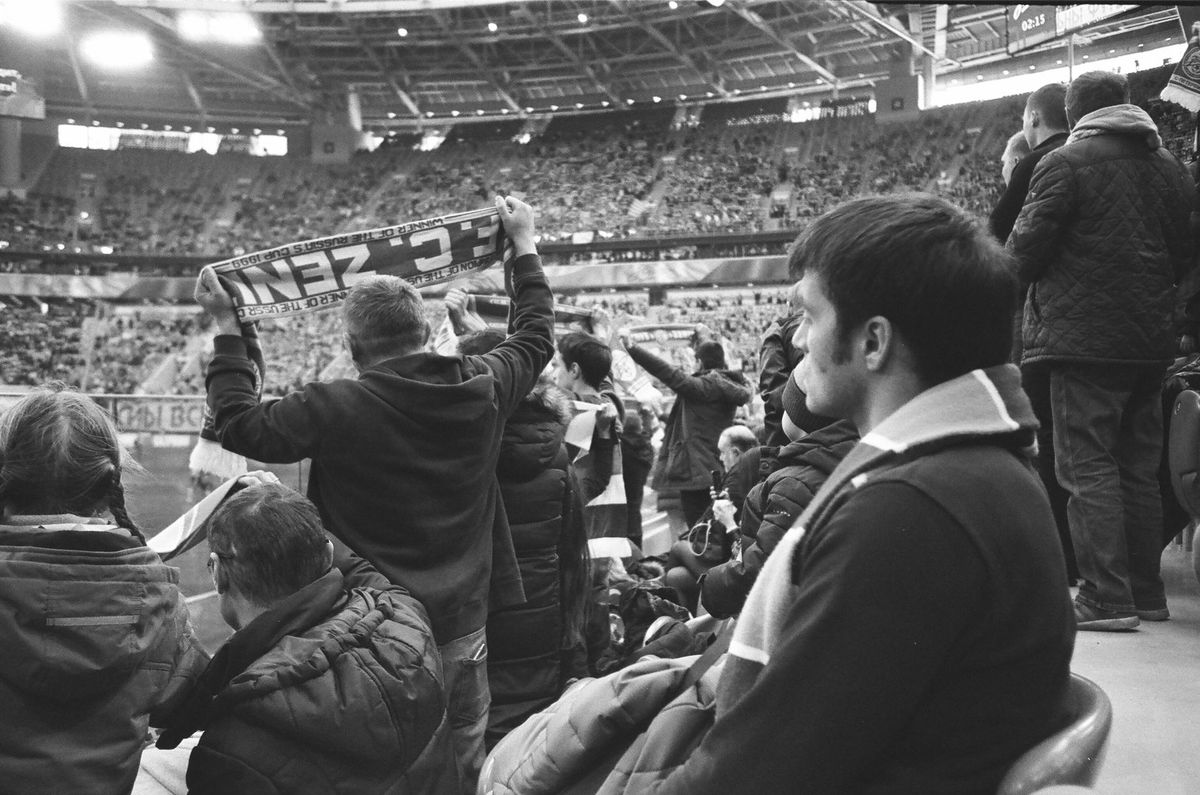
A stadium is a place where many people feel part of something big. For queer fans it was long a place where you kept quiet. That has changed because fans organised themselves into clubs and networks, often across cities and borders. This piece looks at who they are, how they began and what you can do if you want to find your people.
Queer Football Fanclubs (QFF)
Queer Football Fanclubs, or QFF, is a network of European gay and lesbian football fan clubs. That is how the Friedrich Ebert Foundation describes it in the announcement of an event held on 22 April 2024 (FES). Football Supporters Europe calls it a European network of LGBT+ supporters (Football Supporters Europe).
The network held its first conference in Dortmund in 2007 and adopted a formal constitution in 2009. According to Football Supporters Europe, its members include groups from England, the Netherlands, Spain and Switzerland as well as Germany. In October 2014, QFF groups hung banners reading "Football Has No Gender" in several German stadiums.
No current membership list turned up during research, so this text gives no figure. If you want to get in touch, asking the network directly or your club's fan project is the safer route.
An example from Leipzig
One fan club that has spoken publicly is the RainbowBulls from Leipzig. The Leipziger Internet Zeitung interviewed them in 2017 under the headline "We don't want to be anything special" (L-IZ). The interview is in German and makes a good first read if you want to know who they are.
Other networks and projects
The Friedrich Ebert Foundation names two more actors: Fussballfans gegen Homophobie (Football Fans Against Homophobia), whose founding members include Christian Rudolph, and the project "Team out and proud", which the German Football Association (DFB) runs together with the LSVD, Germany's lesbian and gay association. The source gives no founding years.
The movement has also grown in Britain. Football Supporters Europe points to the Gay Football Supporters Network, founded there in the late 1980s, as the start of LGBT+ fan self-organisation. Pride in Football formed in 2014 and has more than 30 active UK groups, according to the same source. Its founding groups included Canal Street Blues (Manchester City), Gay Gooners (Arsenal), Proud Canaries (Norwich City) and Proud Lilywhites (Tottenham Hotspur). There is also Three Lions Pride, a group for LGBT+ supporters of the England national team, and an annual #CALLITOUT event.
Why a rainbow flag is not enough
The Friedrich Ebert Foundation's announcement contains a sentence that gets to the point: rainbow symbolism alone is not enough. Exclusions remain, and they have to be removed. The event therefore asked about earlier fights for access and participation in men's football and about the role of major tournaments. The text gives no concrete incidents or figures.
What this means for you: a rainbow flag on matchday says little about how things are in the stands.
How to find your way in
These steps are the editors' suggestions and are not backed by the sources above:
- Check your club's website to see whether it has a queer fan club.
- Ask your city's fan project whether it has contacts.
- If you would rather not go to the stadium alone, you can first contact Fussballfans gegen Homophobie and ask about company.
- Take someone you trust on your first visit. A fan club is not an obligation, and you can simply watch how the first meetings go.
The short version
Queer fan culture is older than many people think: the first self-organised groups appeared in Britain in the late 1980s, and the first German conference took place in 2007. There is no complete map. The best routes in are the networks and the fan project in your own city.
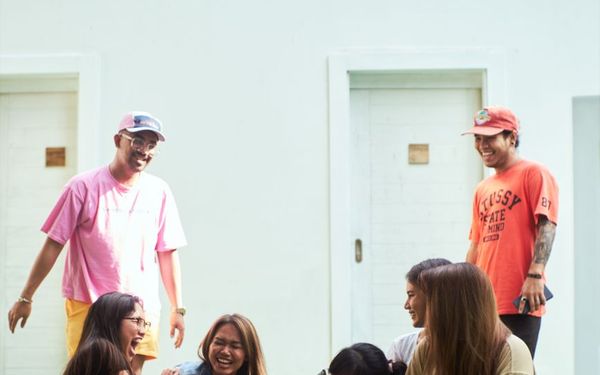
Photo: by Darya Sannikova on Pexels.
Frequently asked questions
Sources
- fes.de · alles-so-schoen-bunt-hier-queere-fankultur-im-maennerfussbal...
- fanseurope.org · lgbt-fans-groups-keep-growing
- l-iz.de · Interview-mit-den-RainbowBulls-„Wir-wollen-nichts-Besonderes...