Queer bookshops, cafés and community centres were often the scene's first visible spaces. Why they came to be, what they still offer, and where the best-known ones stand.
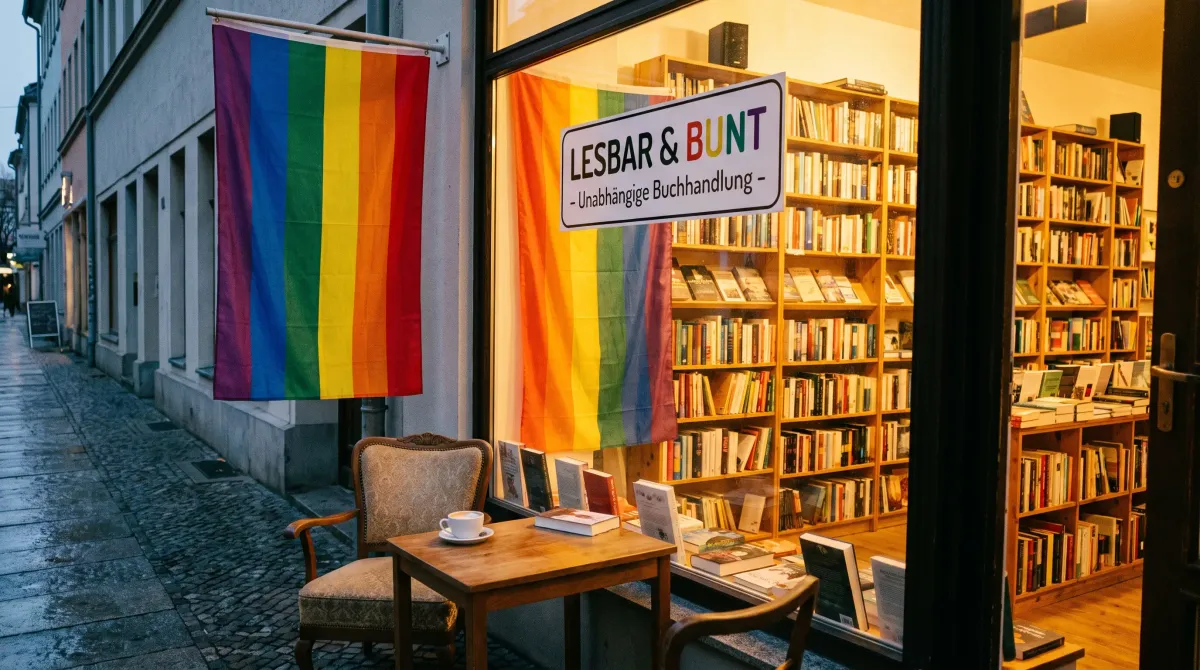
Bars and clubs shape how most people picture queer life. But not every community space is a place to party. Bookshops, cafés and community centres were often the first visible rooms where queer people could meet without hiding. Many of them have been around for decades.
Why these places came to be
In the 1970s there were few places to buy queer literature at all. Gay and lesbian books travelled by mail order, for example through the newspaper Gay News in Britain. Pubs were often half hidden: you had to ring a bell to get in. A visible, open shop was a deliberate break with that.
Bookshops and cafés filled a gap. They were shop, information point and meeting place in one. Someone who had only just started to understand who they were could walk in, browse and talk to people, no appointment needed.
Prinz Eisenherz: Germany's first gay bookshop
In November 1978, Germany's first gay bookshop opened on Bülowstrasse in Berlin: Prinz Eisenherz. It grew out of the left-wing gay movement. The name is a knowing nod to the comic character long surrounded by rumours. In 2004 the "Prinz" was dropped from the name to sound more inclusive and less male. Since 2014 the shop, now Eisenherz Buchladen, sits on Motzstrasse in Schöneberg.
Projects that still shape Berlin's scene grew out of the bookshop, among them the club SchwuZ and the city magazine Siegessäule. Co-founder Roland Müller-Flashar sums up the shop's attitude: as long as discrimination exists, this bookshop has to exist.
Gay's the Word: a London stronghold
Gay's the Word opened in London in 1979 as Britain's oldest LGBTQ+ bookshop. It was founded by members of the gay socialist group Gay Icebreakers, inspired by a visit to the Oscar Wilde Bookshop in New York. The Bloomsbury shop was always more than a business: after closing time it hosted groups including Lesbians and Gays Support the Miners, whose story is told in the 2014 film Pride.
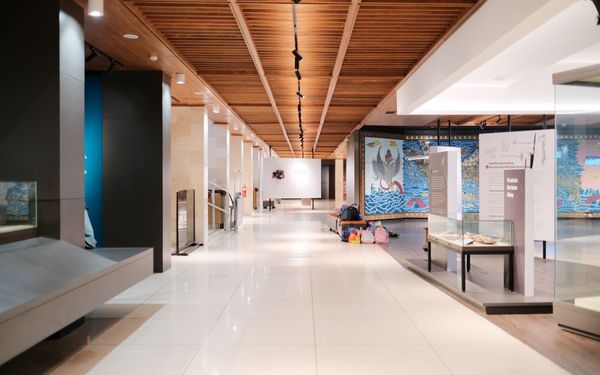
In 1984 customs officers raided the shop and seized more than 140 titles as allegedly indecent. The case against the nine directors was dropped in 1986. The shop is still trading today and is documented by the London Museum.
What cafés and centres do
Not every queer space sells books. Community centres and cafés offer advice, support groups and simply a table where you can arrive. They are there for people who don't want to party, who are still underage, or who just want company in daylight. In many cities they are also the address for coming-out advice and peer support.
What makes these places special
Queer bookshops and cafés differ from bars in one simple way: they exist in daylight. A first visit to a queer space is more likely to meet you with quiet than with bass. The staff know the books and the city's services, often better than any search engine.
And they have become rare. Of the many queer bookshops of the 1980s and 1990s, few remain, squeezed by rising rents and online retail. If you have one in your city, use it. Most publish their programme openly, from readings to language cafés to support groups. A look at the website of the nearest queer centre is worth the click.
Frequently asked questions
Sources
- londonmuseum.org.uk · gays-the-word-britains-oldest-lgbtq-bookshop
- en.wikipedia.org · Gay's_the_Word_(bookshop)
- schwulesmuseum.de · objekt-des-monats-november-prinz-eisenherz
- visitberlin.de · eisenherz-buchladen
- lampoonmagazine.com · prinz-eisenherz-queer-gay-lgbtq-bookstore-and-exhibition-spa...
- attitude.co.uk · gays-the-word-at-40-how-a-small-lgbt-bookshop-became-an-unli...
Last reviewed: 4. September 2026