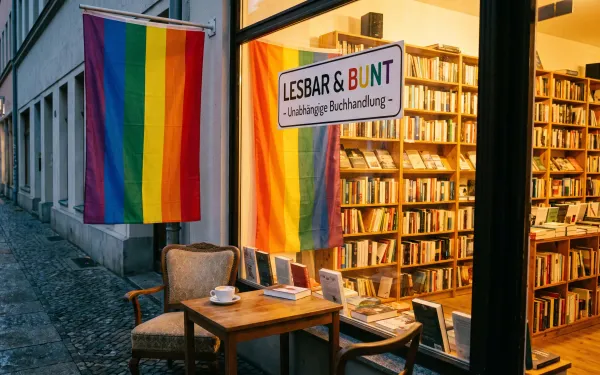
Community centres can be a first place to ask questions, meet people or find a local referral. What to expect and how to check whether a programme suits you.
A queer community centre is not always a large building with a rainbow sign. It can be a drop-in room, a shared office, a library corner, a meeting space in another organisation, or an online programme that helps people find local support. What matters is the work: connecting LGBTQ+ people with each other and with information that is useful in everyday life.
The services differ by place. Some centres run peer groups, youth programmes, advice sessions or cultural events. Others host several independent groups and provide a room they could not otherwise afford. A centre may also point visitors toward health care, legal advice, housing support or crisis services. It cannot replace every specialist service, but it can make the first step less lonely.
Go in with a practical question
You do not need a dramatic reason to contact a centre. Perhaps you have moved to a new city and want to meet people without using dating apps. Perhaps you are looking for a trans peer group, a book club, an HIV support service, a place for queer parents, or a volunteer role. Starting with a concrete question helps staff and volunteers suggest the right option.
Not every programme is open drop-in. Many groups meet at fixed times, need registration, serve a particular age group or are closed to protect privacy. Check the centre's own website or social channel before travelling. A calendar that has not been updated for months is not enough proof that a meeting will take place.
Privacy is part of access
For some visitors, walking through a visible door is easy. For others it may carry risks at home, at work or in their local community. A respectful centre should not assume that everybody is out, wants a photo taken, or can receive calls and messages without concern.
You can ask how attendance is recorded, whether a group has confidentiality agreements, and whether staff can use a chosen name. If the centre is not a fit, it may still know a smaller group, a helpline or an online option that is safer for you. It is reasonable to ask these questions before sharing personal details.
The same caution applies to social media. A public post about a workshop can be useful, while a group photograph may expose people who did not expect it. Look for clear photo rules and do not tag other visitors without their consent.
Not every centre offers the same kind of help
A community centre is often a first contact, not an emergency service. If you are in immediate danger or need urgent medical help, use the emergency services available where you are. For legal, medical or mental-health matters, ask whether the centre can refer you to a qualified local service. Good referrals are more useful than broad promises.
There can also be waiting lists, limited opening hours and programmes that have to change when funding changes. That is frustrating, but it does not mean the centre has failed. Many centres depend on volunteers and short-term funding while serving needs that do not disappear when a project ends.
How to find a trustworthy local option
Start with organisations that name their team, contact details and current activities. Local LGBTQ+ charities, youth services, Pride organisations and municipal equality offices may list community resources. In the United States, CenterLink maintains a directory of LGBTQ community centres. Elsewhere, national queer organisations often point to regional groups.
When you find a listing, verify it through the organisation's own channel. Note the date of the latest event, whether the address is still active and what the group actually offers. Reviews can be helpful for practical details, but they are not a substitute for the centre's own information.
A place can be useful before it feels like home
First visits can be awkward. You may arrive at an event where people already know one another, or discover that a group is not your crowd. That is ordinary. It does not mean queer community is unavailable to you. Try another format: a workshop rather than a social night, a smaller group, a volunteering shift or an online meeting.
Community centres do not solve the isolation and discrimination that make them necessary. They do, however, create places where support, information and ordinary conversation can happen without treating queer life as a problem to explain away.
Frequently asked questions
Do I need to be out to visit a queer community centre?
No. You can ask about privacy and contact preferences before attending.
Are community centres only for young people?
No. Some have youth programmes, but many serve people of different ages and host specialised groups.
Can a centre give medical or legal advice?
Some offer information or referrals. For urgent or specialised needs, contact a qualified local service.
How do I check whether a group is still active?
Use the organisation's own current website, calendar or contact address rather than relying only on an old directory listing.
Frequently asked questions
Last reviewed: 25. September 2026