
Hyde Park Barracks is one of Sydney’s most compelling heritage attractions, combining a calm museum setting with a strong sense of lived history. The building feels both dignified and immersive, allowing visitors to move through spaces that once held convicts and later served very different public functions. Rather than presenting history as a static display, the site uses sound, objects, and carefully designed interpretation to create a vivid experience.
Highlights include original artefacts, archaeological material, and storytelling that connects the barracks to wider themes of migration, labour, governance, and social control. The contrast between the historic fabric of the site and its modern exhibition style gives the visit a distinctive character. It is a rewarding stop for anyone interested in Sydney’s colonial past, heritage architecture, or museum experiences that go beyond traditional displays. Its central location also makes it easy to include in a day of sightseeing in the city centre.
Hotels near Hyde Park Barracks
The star marks Hyde Park Barracks. Tap the map for prices and availability.
Nearby Locations
King Street
Art Gallery of New South Wales
Ovolo Woolloomooloo
Dykadellic
Ivy Pool Bar
POOF DOOF Sydney
Tuesday: 10:00 - 18:00
Wednesday: 10:00 - 18:00
Thursday: 10:00 - 18:00
Friday: 10:00 - 18:00
Saturday: 10:00 - 18:00
Sunday: 10:00 - 18:00

From the magazine
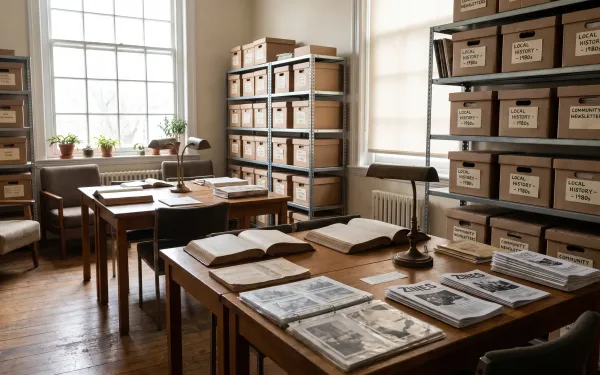
Queer Archives: How the Community Preserves Its Own History
Most queer history is not in state archives; it sits in boxes under beds. From the Lesbian Herstory Archives of 1974 to Berlin's Spinnboden and Schwules Museum: who preserves the community's memory, and how you can take part.

HPV Vaccination: Why Men and Queer People Should Get It Too
HPV vaccination is often seen as a women's topic, but it also protects men against throat, anal and penile cancer. Why the shot matters especially for gay and bisexual men, who pays for it and when it still makes sense.
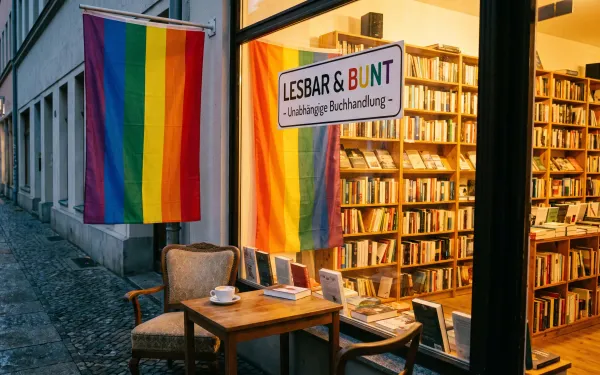
Queer Bookshops and Cafés: The Community's Third Places
Queer bookshops, cafés and community centres were often the scene's first visible spaces. Why they came to be, what they still offer, and where the best-known ones stand.