
Ban-Jelačić Square is the main gathering point in Zagreb and one of the city’s most recognizable public spaces. It brings together busy pedestrian flow, elegant historic buildings, and the energy of everyday urban life. As a central meeting place, it offers a strong sense of movement and orientation, making it a natural starting point for exploring the Croatian capital.
The square is surrounded by shops, cafés, and excellent transport connections, which keeps it active throughout the day. Its open layout contrasts with the narrow streets leading away from it, creating a clear transition between different parts of the city. Visitors often come here to meet, pause, watch city life unfold, or continue toward nearby markets and cultural landmarks. The atmosphere is lively, practical, and distinctly Zagreb.
Hotels near Ban-Jelačić-Platz
The star marks Ban-Jelačić-Platz. Tap the map for prices and availability.
Nearby Locations
K&K Milčec
Kathedrale zu Zagreb
Museum der zerbrochenen Beziehungen
St.-Markus-Kirche
Kroatische Akademie der Wissenschaften und Künste
Kroatische Nationalbank
Tuesday: 00:00 - 00:00
Wednesday: 00:00 - 00:00
Thursday: 00:00 - 00:00
Friday: 00:00 - 00:00
Saturday: 00:00 - 00:00
Sunday: 00:00 - 00:00


From the magazine

Solo Travel for Queer People: How to Travel Safely and Confidently
Travelling solo as a queer person means carrying your own safety — but also not having to explain yourself to anyone. With research, the right accommodation and a few routines, uncertainty turns into confidence.
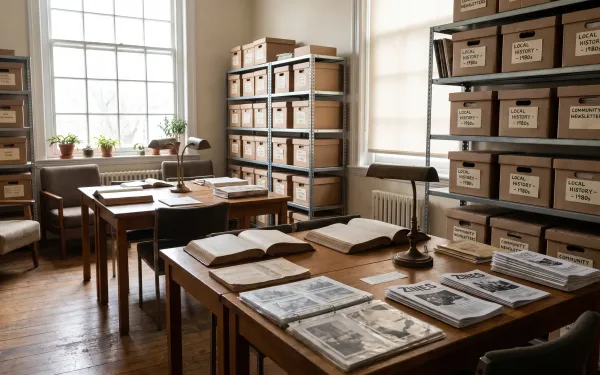
Queer Archives: How the Community Preserves Its Own History
Most queer history is not in state archives; it sits in boxes under beds. From the Lesbian Herstory Archives of 1974 to Berlin's Spinnboden and Schwules Museum: who preserves the community's memory, and how you can take part.

HPV Vaccination: Why Men and Queer People Should Get It Too
HPV vaccination is often seen as a women's topic, but it also protects men against throat, anal and penile cancer. Why the shot matters especially for gay and bisexual men, who pays for it and when it still makes sense.