
Piccadilly Downtown Club in Valencia stands as a vibrant nightlife gem nestled in the lively Russafa neighborhood. This trendy disco draws a diverse crowd with its eclectic music lineup, spanning 80s and 90s hits, dance techno, rock, pop, and indie tracks that keep the energy high all night.
The club's standout feature is its silent disco nights, where patrons don wireless headphones to choose from three music channels while live DJs perform. Themed events like prom nights add extra flair, creating memorable celebrations. Friendly staff, especially skilled bartenders, earn rave reviews for their welcoming service and cocktails.
Ideally situated in the city center, Piccadilly offers spacious dance floors, quality drinks, and an inclusive vibe that captures Valencia's spirited nightlife. It's the perfect spot for groups or solo adventurers seeking fun, connection, and non-stop dancing in a safe, exciting environment.
Hotels near Piccadilly Downtown Club
The star marks Piccadilly Downtown Club. Tap the map for prices and availability.
Nearby Locations
Barberbirborbur Club
COMIC Café
La Boba y el Gato Rancio
Holistic Massage Valencia
Hòmens
Indulge Spain: Sailing And Food Experience
Tuesday: Closed
Wednesday: Closed
Thursday: 00:00 - 00:00
Friday: 00:00 - 00:00
Saturday: 00:00 - 00:00
Sunday: Closed


From the magazine

Queer in the Countryside: Finding Community Beyond the City
Millions of LGBTQ+ people live in rural areas, and many are there on purpose. What research says about the challenges, what protects rural residents, and how to find or build community far from the city.

Solo Travel for Queer People: How to Travel Safely and Confidently
Travelling solo as a queer person means carrying your own safety — but also not having to explain yourself to anyone. With research, the right accommodation and a few routines, uncertainty turns into confidence.
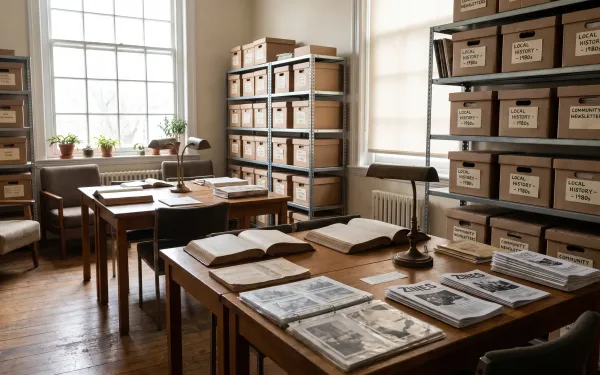
Queer Archives: How the Community Preserves Its Own History
Most queer history is not in state archives; it sits in boxes under beds. From the Lesbian Herstory Archives of 1974 to Berlin's Spinnboden and Schwules Museum: who preserves the community's memory, and how you can take part.