
The Arizona-Sonora Desert Museum in Tucson, USA, blends zoo, aquarium, botanical garden, natural history museum, and art gallery into one immersive experience across 98 acres of desert terrain. Two miles of walking paths wind through recreated habitats showcasing the Sonoran Desert's biodiversity.
The atmosphere evokes the serene, sun-baked beauty of the desert, immersing visitors in authentic landscapes teeming with over 230 animal species—from bobcats in Cat Canyon to prairie dogs and raptors—and 1,200 plant varieties. Standout features include interactive raptor free flights, a vast mineral collection, artificial caves for exploration, and aviaries where birds soar freely.
Docent-led demonstrations, live animal encounters, and two art galleries with desert-inspired works enrich the visit. Family-friendly with play areas, dining options, and a gift shop, it inspires appreciation for the natural world through education and conservation-focused exhibits.
Hotels near Arizona-Sonora Desert Museum
The star marks Arizona-Sonora Desert Museum. Tap the map for prices and availability.
Tuesday: 07:30 - 17:00
Wednesday: 07:30 - 17:00
Thursday: 07:30 - 17:00
Friday: 07:30 - 17:00
Saturday: 07:30 - 17:00
Sunday: 07:30 - 17:00


From the magazine

Solo Travel for Queer People: How to Travel Safely and Confidently
Travelling solo as a queer person means carrying your own safety — but also not having to explain yourself to anyone. With research, the right accommodation and a few routines, uncertainty turns into confidence.
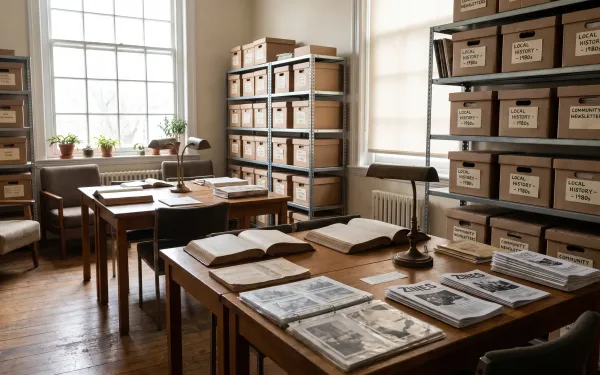
Queer Archives: How the Community Preserves Its Own History
Most queer history is not in state archives; it sits in boxes under beds. From the Lesbian Herstory Archives of 1974 to Berlin's Spinnboden and Schwules Museum: who preserves the community's memory, and how you can take part.

HPV Vaccination: Why Men and Queer People Should Get It Too
HPV vaccination is often seen as a women's topic, but it also protects men against throat, anal and penile cancer. Why the shot matters especially for gay and bisexual men, who pays for it and when it still makes sense.