
Philadelphia's Magic Gardens stands as a mesmerizing mosaic art environment in Philadelphia, USA, crafted by visionary artist Isaiah Zagar. Spanning indoor galleries and an expansive outdoor labyrinth across half a city block, it bursts with handmade tiles, mirror fragments, bicycle wheels, bottles, and global folk art elements.
The atmosphere is enchanting and immersive, with winding passages, tunnels, and grottos that draw visitors into a kaleidoscope of color and personal narrative. Offerings include self-guided explorations of the bi-level sculpture garden, rotating exhibitions in two indoor galleries, guided tours, hands-on mosaic workshops, and community events like performances. Highlights feature Zagar's signature bold mosaics chronicling his life, influences, and Philadelphia's vibrant South Street culture.
As a nonprofit museum and community arts center, it preserves this folk art masterpiece, inviting everyone to embrace creativity and wander through a world of boundless imagination.
Hotels near Philadelphia's Magic Gardens
The star marks Philadelphia's Magic Gardens. Tap the map for prices and availability.
Nearby Locations
Philly AIDS Thrift @ Giovanni's Room
Tavern On Camac
Winkel
U Bar
Bud & Marilyn's
The Bike Stop
Tuesday: Closed
Wednesday: 11:00 - 18:00
Thursday: 11:00 - 18:00
Friday: 11:00 - 18:00
Saturday: 11:00 - 18:00
Sunday: 11:00 - 18:00
Philadelphia
From the magazine
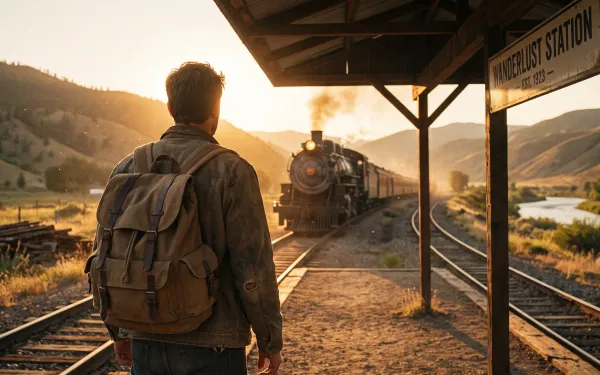
Solo Travel for Queer People: How to Travel Safely and Confidently
Travelling solo as a queer person means carrying your own safety — but also not having to explain yourself to anyone. With research, the right accommodation and a few routines, uncertainty turns into confidence.
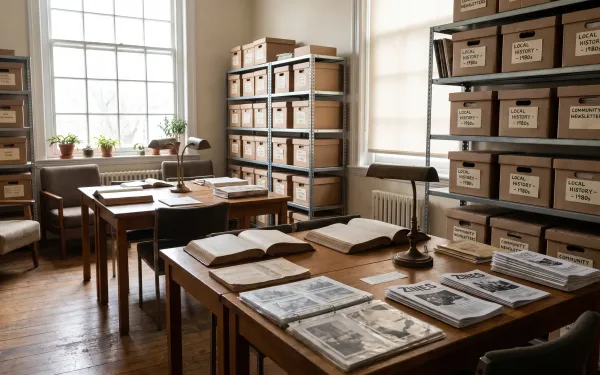
Queer Archives: How the Community Preserves Its Own History
Most queer history is not in state archives; it sits in boxes under beds. From the Lesbian Herstory Archives of 1974 to Berlin's Spinnboden and Schwules Museum: who preserves the community's memory, and how you can take part.
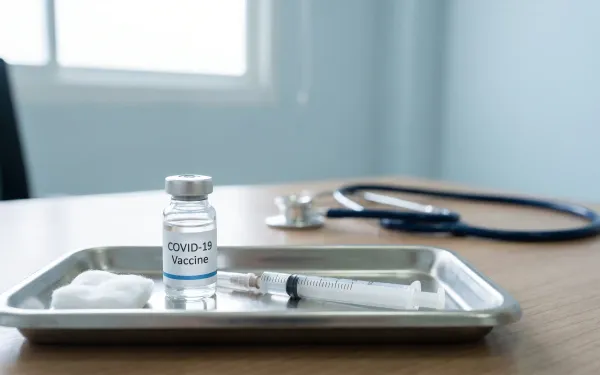
HPV Vaccination: Why Men and Queer People Should Get It Too
HPV vaccination is often seen as a women's topic, but it also protects men against throat, anal and penile cancer. Why the shot matters especially for gay and bisexual men, who pays for it and when it still makes sense.