
Plaza Botero in Medellín stands as one of the most remarkable public sculpture parks in the world and a defining cultural landmark of Colombia. Also known as Plaza de Las Esculturas, this expansive square lies in front of the Museo de Antioquia and surrounds the Palacio de la Cultura Rafael Uribe Uribe. Covering more than 8,000 square meters of open space, the plaza features 23 monumental bronze sculptures by the renowned artist Fernando Botero, permanently displayed for all to admire. The works depict voluminous figures of people, animals, and abstract forms in his signature exaggerated proportions, creating a unique atmosphere where art, nature, and culture converge.
Beyond its artistic significance, Plaza Botero serves as a vibrant gathering spot for both visitors and locals. Under the shade of palm and Ceiba trees, guests can enjoy street food such as empanadas, a beloved Colombian specialty, while capturing photos beside the life-sized sculptures. The surrounding area offers numerous cafes, restaurants, and the iconic Hotel Nutibara. The plaza hosts a lively mix of cultural events, musical performances, and a relaxed ambiance that reflects Medellín's identity as a city of art and life.
Hotels near Plaza Botero
The star marks Plaza Botero. Tap the map for prices and availability.
Nearby Locations
Tuesday: 00:00 - 23:59
Wednesday: 00:00 - 23:59
Thursday: 00:00 - 23:59
Friday: 00:00 - 23:59
Saturday: 00:00 - 23:59
Sunday: 00:00 - 23:59
From the magazine
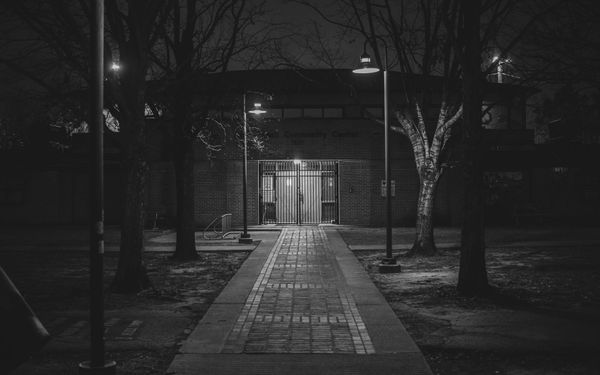
What a queer community centre can offer, even if you only visit once
Community centres can be a first place to ask questions, meet people or find a local referral. What to expect and how to check whether a programme suits you.
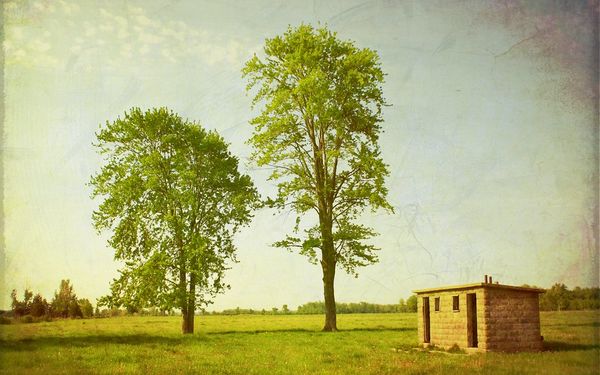
Queer in the Countryside: Finding Community Beyond the City
Millions of LGBTQ+ people live in rural areas, and many are there on purpose. What research says about the challenges, what protects rural residents, and how to find or build community far from the city.
Solo Travel for Queer People: How to Travel Safely and Confidently
Travelling solo as a queer person means carrying your own safety — but also not having to explain yourself to anyone. With research, the right accommodation and a few routines, uncertainty turns into confidence.