
The National WWI Museum and Memorial in Kansas City, USA, stands as a poignant tribute to the First World War. Visitors cross a striking glass bridge over a field of thousands of red poppies, each symbolizing wartime losses, setting a somber and reflective tone from the start. The atmosphere immerses guests in the grit of history through lifelike trench replicas, artillery craters, and a vast array of artifacts including uniforms, helmets, propaganda posters, and military vehicles.
Spanning two main galleries, the offerings delve into the war's origins and global course before U.S. involvement, followed by America's role and peace efforts. Interactive exhibits, period soundscapes, and films in dedicated theaters bring stories to life. Highlights include the towering Liberty Memorial with its observation deck and glowing Flame of Inspiration, plus the Over There Café serving era-inspired dishes. The Edward Jones Research Center provides deep dives into archives. As the official U.S. institution, it inspires contemplation of courage, honor, patriotism, and sacrifice.
Hotels near National WWI Museum and Memorial
The star marks National WWI Museum and Memorial. Tap the map for prices and availability.
Nearby Locations
Tuesday: 10:00 - 17:00
Wednesday: 10:00 - 17:00
Thursday: 10:00 - 17:00
Friday: 10:00 - 17:00
Saturday: 10:00 - 17:00
Sunday: 10:00 - 17:00

From the magazine
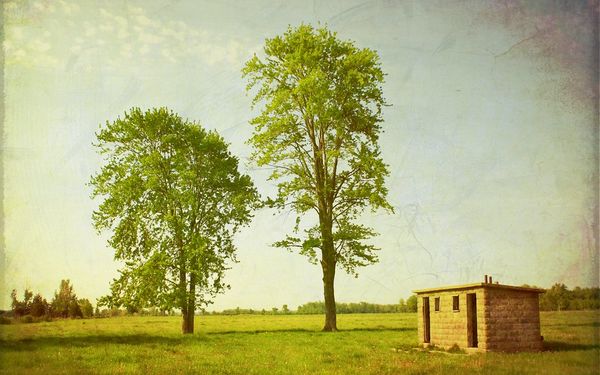
Queer in the Countryside: Finding Community Beyond the City
Millions of LGBTQ+ people live in rural areas, and many are there on purpose. What research says about the challenges, what protects rural residents, and how to find or build community far from the city.
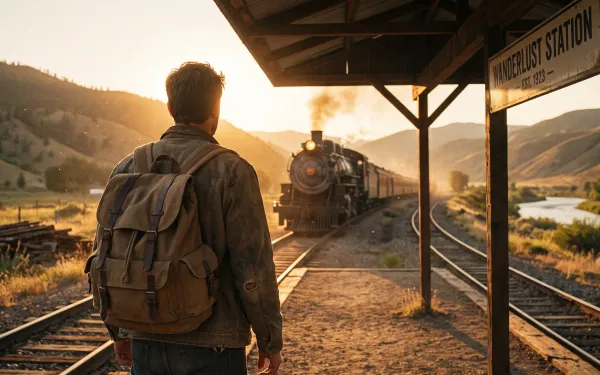
Solo Travel for Queer People: How to Travel Safely and Confidently
Travelling solo as a queer person means carrying your own safety — but also not having to explain yourself to anyone. With research, the right accommodation and a few routines, uncertainty turns into confidence.
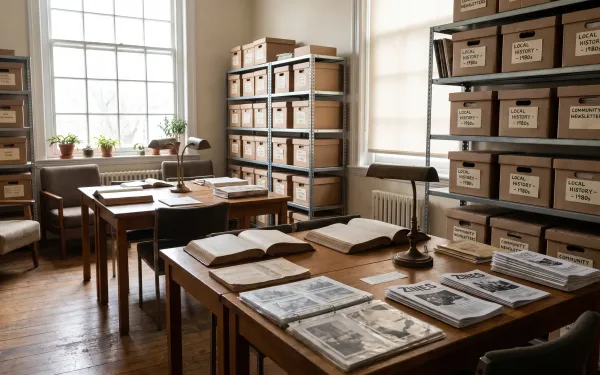
Queer Archives: How the Community Preserves Its Own History
Most queer history is not in state archives; it sits in boxes under beds. From the Lesbian Herstory Archives of 1974 to Berlin's Spinnboden and Schwules Museum: who preserves the community's memory, and how you can take part.