A pill after sex to lower the risk of syphilis, chlamydia, and gonorrhea is now official guidance in the US. Here is what doxy-PEP does, what it does not, and why other countries remain more cautious.
Doxy-PEP: what the antibiotic pill after sex actually does
Take one pill after sex to lower your risk of syphilis, chlamydia, or gonorrhea. That is the pitch behind doxy-PEP, and US health authorities have already built it into official guidance. Health bodies elsewhere are moving more slowly, and the reasons why are worth understanding before anyone decides whether the approach is right for them.
What doxy-PEP actually is
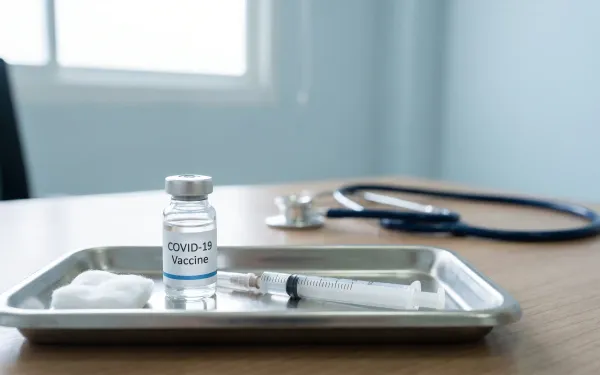
Doxy-PEP is short for doxycycline post-exposure prophylaxis. It means taking 200 milligrams of the antibiotic doxycycline within 72 hours after condomless sex, aimed at stopping a bacterial infection before it takes hold. Unlike HIV PrEP, it is not a daily pill. It is a single dose taken as needed, after the fact rather than before.
The evidence comes from several large randomized trials, mostly involving gay and bisexual men and transgender women with frequent partner turnover. The results were striking: syphilis and chlamydia infections dropped by more than 70 percent, and gonorrhea infections by roughly half.
The US guideline
Based on that evidence, the US Centers for Disease Control and Prevention published clinical guidance in June 2024. It recommends that doctors discuss doxy-PEP with gay and bisexual men and transgender women who have had a bacterial STI diagnosed in the past 12 months. The dose should not exceed 200 milligrams in any 24-hour period, and clinicians are expected to reassess the need for it every three to six months.
A more cautious picture elsewhere
Not every health authority has embraced doxy-PEP at the same pace. Germany's STI Society, for instance, published a more guarded position in 2023. It explicitly advises against daily continuous use, known as doxy-PrEP, and urges caution even for occasional, event-based use, limiting it to selected patients until firmer guidelines exist.
The concern is resistance. There is not yet enough long-term data on how widespread doxycycline use might affect antibiotic resistance in gonorrhea, other bacteria, and the wider microbiome, and uncontrolled, broad use could make that problem worse for everyone, not just the people taking the pill. German specialists also stress a point that tends to get lost in the wider conversation: doxy-PEP is meant to add to proven prevention tools such as condoms, vaccination, and regular testing, not replace them.
A 2025 survey of German HIV specialty clinics found that view still holds broadly. Two out of three clinics described themselves as critical of doxy-PEP, and nearly 60 percent were critical of continuous doxy-PrEP. Acceptance is growing, but it remains low by international standards.
Cost, access, and side effects
Where doxy-PEP is used outside its officially approved purpose, someone has to pay for it out of pocket, and a prescribing doctor takes on the liability for an off-label recommendation. Sexual health clinics and community organizations tend to have more experience discussing the option than a general practitioner would.
Common side effects of doxycycline include stomach upset, nausea, and increased sun sensitivity, so it is worth avoiding direct sun for a few hours after a dose and drinking enough water to protect the esophagus. Less commonly, the gut microbiome takes a hit that is not yet well understood in the long run. Anyone considering the pill should talk through existing health conditions and other medications with a doctor first.
What doxy-PEP cannot do
For all its effectiveness against bacterial infections, doxy-PEP does nothing against HIV or viral infections such as herpes and HPV. Condoms, and depending on individual risk, HIV PrEP or regular HIV testing, are still necessary. It also does not replace a doctor's visit. Prescriptions are handled case by case, usually at HIV specialty practices or community health checkpoints, after a conversation about personal risk and the current evidence.
It is worth remembering that doxy-PEP works on a per-exposure basis, not as a running shield. Someone who takes it after one encounter gets no protection for the next one unless they take another dose within the window, which is part of why clinicians keep circling back to the same question: does this fit into someone's actual sex life, or would condoms and routine testing cover the same ground with less antibiotic exposure.
Guidance on doxy-PEP is still evolving quickly. The CDC and German STI Society positions described here reflect sources published in 2024 and 2025, and a conversation with a local doctor is the best way to get an up-to-date answer.
Frequently asked questions
Last reviewed: 28. July 2026