Since the global mpox outbreak of 2022, a vaccine exists that's specifically recommended for gay and bisexual men with multiple partners. Who should get it, how the vaccination works, and where coverage still falls short depending on where you live.
In 2022, mpox spread worldwide largely through the sexual networks of men who have sex with men. A vaccine has been available since then, along with clear public health guidance on who should get it, yet uptake in many countries still lags behind the recommendation.
Who should get vaccinated
Health authorities including the US CDC and Germany's STIKO recommend mpox vaccination for people at increased risk of exposure. That group includes gay, bisexual, and other men who have sex with men with multiple recent partners, transgender and nonbinary people with similar risk profiles, sex workers, and lab personnel who handle the virus. If you're unsure whether you fall into this group, HIV specialty clinics, sexual health services, and LGBTQ+ health organizations can help you figure that out.
There's also post-exposure vaccination for people who've had close contact with someone infected but haven't developed symptoms. It can be given up to 14 days after exposure, though it works best within the first four days.
How the vaccination works
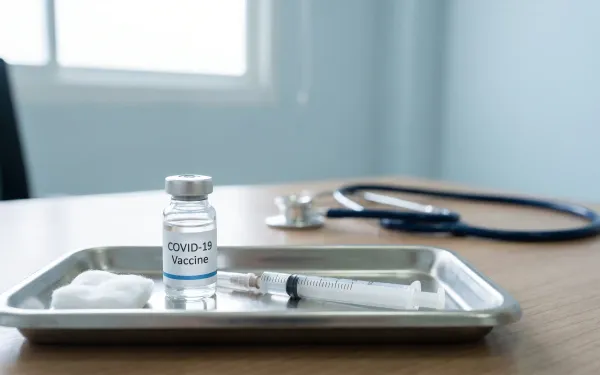
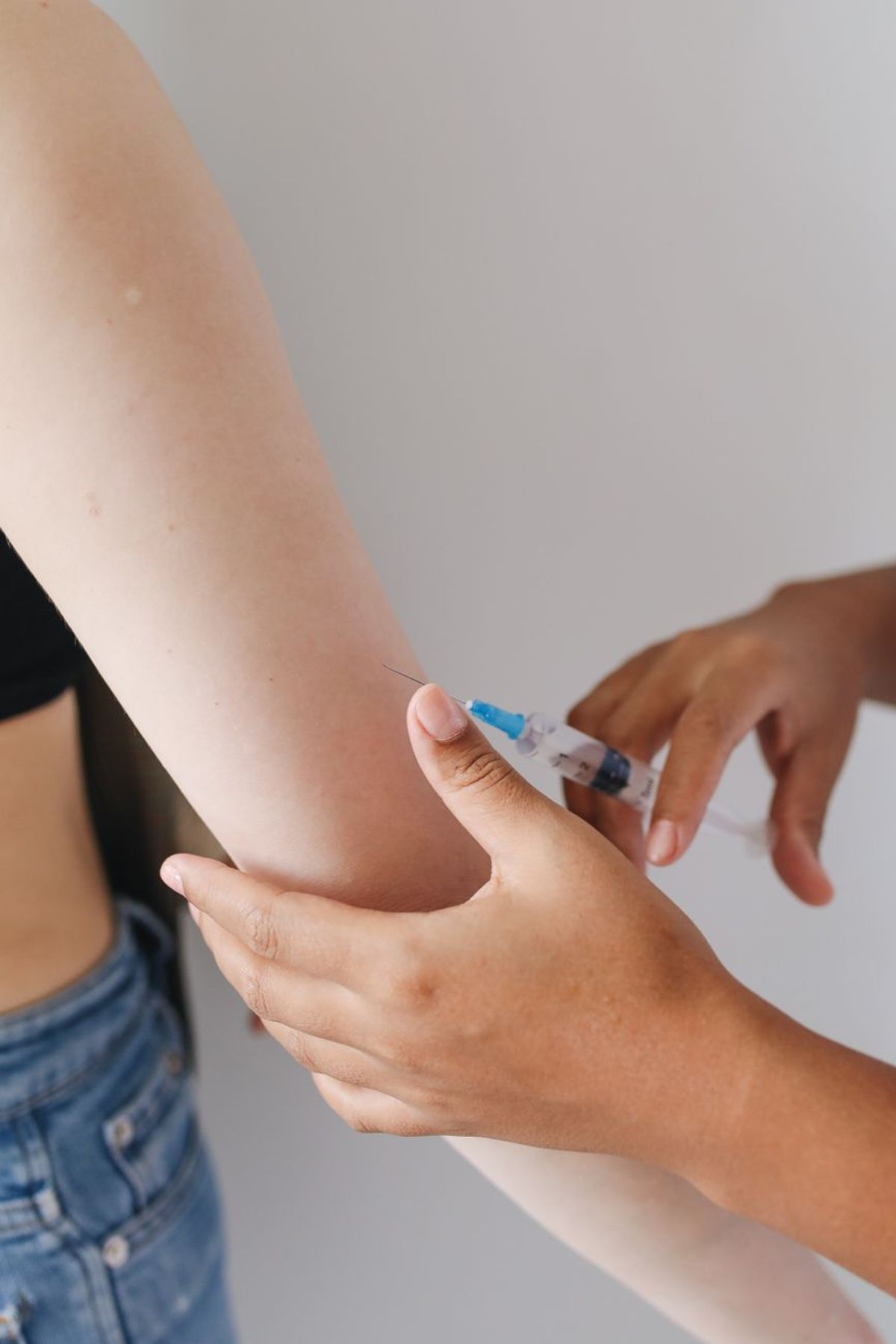
The vaccine in use is Imvanex in the EU, known as Jynneos in the United States (both are the same MVA-BN formulation), approved for mpox since 2019 in the US and 2022 in the EU. People who've never had a smallpox vaccine get two doses at least 28 days apart, given as a shot under the skin. The first dose already provides decent protection, and the second extends it considerably. People who received the older smallpox vaccine as children, common in many countries until the 1970s and 1980s, usually only need one booster dose. Studies have found effectiveness of around 76% after one dose and 82% after two. Breakthrough infections can still happen, but they tend to be much milder in vaccinated people.
Coverage varies by country
This is where things get messy. In the United States, JYNNEOS must be covered by private insurance, Medicare, or Medicaid when ACIP criteria are met, and many public health departments offer it free regardless of insurance status. In Germany, mpox vaccination has officially been a statutory health insurance benefit since September 2024, but actual billing depends on regional agreements between insurers and physician associations that aren't in place everywhere. Self-pay costs typically run at least 200 dollars or euros per dose, plus consultation fees.
The easiest way to get vaccinated is usually through an HIV specialty practice or a sexual health clinic. Since rules shift by region and over time, it's worth a quick call to your clinic or health department first. This overview reflects the situation as of August 2026.
Two outbreaks, one vaccine
The 2022 outbreak was driven by clade IIb of the virus and spread mainly among men who have sex with men worldwide. Since 2024, a separate outbreak involving clade I, including subclades Ia and Ib, has been spreading in Central Africa, particularly the Democratic Republic of Congo and neighboring countries, and tends to cause more severe illness. The WHO again declared a public health emergency of international concern in response. For vaccination guidance outside the outbreak region, this doesn't change much: the same vaccine protects against both clades, and the recommended target group stays the same.
Mpox itself typically causes painful skin lesions, often in the genital or anal area, along with fever and swollen lymph nodes. Most people recover on their own, but it can be genuinely unpleasant and requires weeks of isolation, which is reason enough not to put off getting vaccinated if you're in the recommended group.
Frequently asked questions
Last reviewed: 30. August 2026