
Lesbenberatung Berlin in Berlin's Schöneberg district provides a safe and welcoming space for lesbians, bisexual women, trans*, inter*, non-binary, and queer individuals. Nestled in the cozy courtyard of Kulmer Straße, it fosters an atmosphere of trust where visitors can openly discuss personal concerns. Experienced counselors and volunteers offer support on topics including coming out, relationships, discrimination, health, and transitioning.
The services include in-person, phone, and online counseling sessions, complemented by group events, workshops, and empowerment initiatives. A key highlight is the focus on queer migrants and those with migration backgrounds via LesMigraS. Multilingual counseling in languages such as Arabic, English, French, Polish, Russian, Turkish, and others ensures accessibility. The premises are largely wheelchair-accessible, promoting inclusivity. This center empowers through information sharing, community building, and connections within Berlin's vibrant LGBTIQ+ scene.
Hotels near Lesbenberatung Berlin
The star marks Lesbenberatung Berlin. Tap the map for prices and availability.
Nearby Locations
Tuk-Tuk Restaurant
Neues Ufer
Scheinbar Varieté
Miniks
La Cocotte
Die Tankstelle
Tuesday: 10:00 - 18:00
Wednesday: 10:00 - 18:00
Thursday: 10:00 - 18:00
Friday: Closed
Saturday: Closed
Sunday: Closed
From the magazine

Solo Travel for Queer People: How to Travel Safely and Confidently
Travelling solo as a queer person means carrying your own safety — but also not having to explain yourself to anyone. With research, the right accommodation and a few routines, uncertainty turns into confidence.

Queer Archives: How the Community Preserves Its Own History
Most queer history is not in state archives; it sits in boxes under beds. From the Lesbian Herstory Archives of 1974 to Berlin's Spinnboden and Schwules Museum: who preserves the community's memory, and how you can take part.
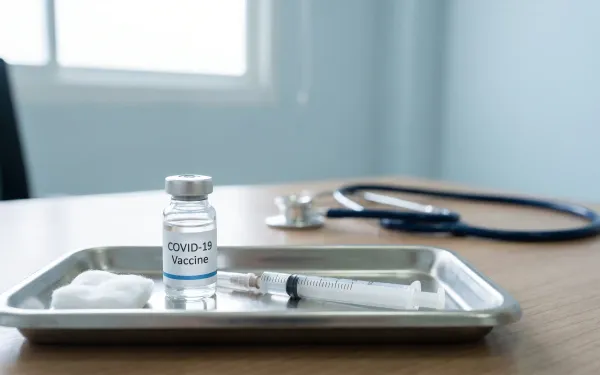
HPV Vaccination: Why Men and Queer People Should Get It Too
HPV vaccination is often seen as a women's topic, but it also protects men against throat, anal and penile cancer. Why the shot matters especially for gay and bisexual men, who pays for it and when it still makes sense.