
Aidshilfe Stuttgart e.V. is a dedicated non-profit organization in Stuttgart focused on HIV prevention and support for those affected by HIV and AIDS. The welcoming and confidential atmosphere of their counseling center provides personal, phone, and online consultations that are anonymous and free of charge. Key offerings include HIV prevention programs in schools, youth centers, and the gay scene, along with street outreach and testing initiatives targeted at men who have sex with men.
The organization supports people living with HIV through assisted living arrangements, self-help group promotion, and care services in prisons. As part of the German AIDS Aid network, Aidshilfe Stuttgart delivers expert information on HIV, AIDS, and sexually transmitted infections. Their compassionate and open counseling creates a safe space for addressing risk reduction, daily life management, and personal concerns. Whether for affected individuals, relatives, or anyone seeking knowledge, professional guidance is available in a respectful setting.
Hotels near Aidshilfe Stuttgart e.V.
The star marks Aidshilfe Stuttgart e.V.. Tap the map for prices and availability.
Nearby Locations
Wonders Club
Lauras Club & Café
Proton Stgt
Kowalski
Circus Electronic
Havanna The Club
Tuesday: 14:00 - 17:00
Wednesday: 14:00 - 17:00
Thursday: 14:00 - 17:00
Friday: 10:00 - 12:00
Saturday: Closed
Sunday: Closed


From the magazine

Queer in the Countryside: Finding Community Beyond the City
Millions of LGBTQ+ people live in rural areas, and many are there on purpose. What research says about the challenges, what protects rural residents, and how to find or build community far from the city.

Solo Travel for Queer People: How to Travel Safely and Confidently
Travelling solo as a queer person means carrying your own safety — but also not having to explain yourself to anyone. With research, the right accommodation and a few routines, uncertainty turns into confidence.
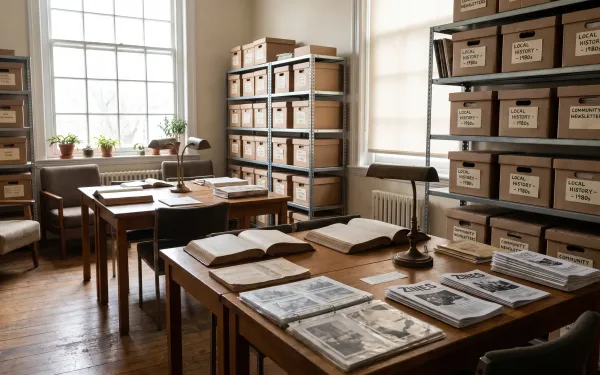
Queer Archives: How the Community Preserves Its Own History
Most queer history is not in state archives; it sits in boxes under beds. From the Lesbian Herstory Archives of 1974 to Berlin's Spinnboden and Schwules Museum: who preserves the community's memory, and how you can take part.