
Aids-Hilfe Osnabrück e.V. serves as a vital hub for sexual health and HIV support in Osnabrück, Germany, operating as the Zentrum Sexuelle Gesundheit. This welcoming organization provides confidential and anonymous counseling on HIV, syphilis, hepatitis C, and other sexually transmitted infections, fostering a supportive atmosphere free from judgment.
Key offerings include anonymous testing sessions, personalized consultations available in-person or by phone, and networking opportunities with peers facing similar challenges. Regular events like the 'Rosa Monitor' film evenings create a relaxed space for community building and education. Specialized breakfast meetings cater to HIV-positive individuals, drug users, and those in substitution therapy, promoting prevention and mutual support.
The center emphasizes living positively with HIV through comprehensive guidance on treatment, daily life, and emotional well-being. Staffed by compassionate professionals, it ensures accessibility and privacy, making it an essential resource for the LGBTQ+ community and anyone seeking reliable health information and assistance.
Hotels near Aids-Hilfe Osnabrück e.V.
The star marks Aids-Hilfe Osnabrück e.V.. Tap the map for prices and availability.
Nearby Locations
WarmUp
LSVD Niedersachsen-Bremen
Atelier 10
Stellwerk Club
Aiconi
Autonomes Schwulenreferat
Tuesday: 10:00 - 14:00
Wednesday: 10:00 - 14:00
Thursday: 14:00 - 17:00


From the magazine

Queer in the Countryside: Finding Community Beyond the City
Millions of LGBTQ+ people live in rural areas, and many are there on purpose. What research says about the challenges, what protects rural residents, and how to find or build community far from the city.

Solo Travel for Queer People: How to Travel Safely and Confidently
Travelling solo as a queer person means carrying your own safety — but also not having to explain yourself to anyone. With research, the right accommodation and a few routines, uncertainty turns into confidence.
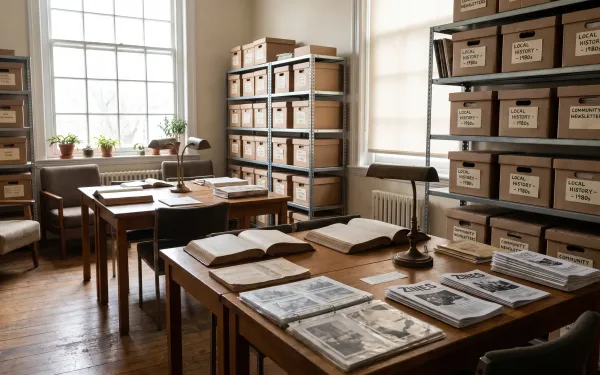
Queer Archives: How the Community Preserves Its Own History
Most queer history is not in state archives; it sits in boxes under beds. From the Lesbian Herstory Archives of 1974 to Berlin's Spinnboden and Schwules Museum: who preserves the community's memory, and how you can take part.