For same-sex binational couples, a valid marriage certificate is often not enough. What actually decides a visa is whether the destination country recognizes the marriage at all. Here's what the Coman ruling, US immigration law, and consulate requirements mean in practice.
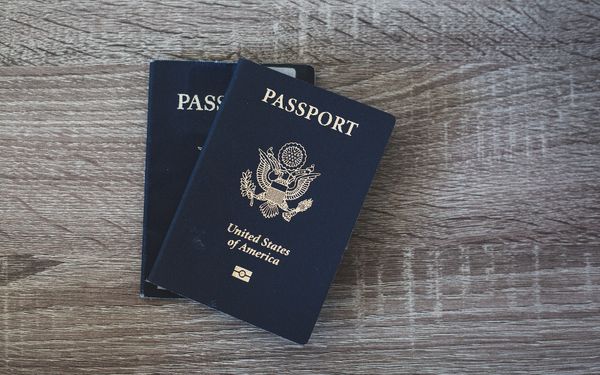
Two people, one marriage certificate, two passports from different countries. For a straight couple, that combination is usually a formality. For a same-sex binational couple, the same setup can turn into a real obstacle the moment one partner's passport comes from a country that does not recognize the marriage. Here is what actually determines whether a visa comes through.
Why it matters where your papers come from
Whether a marriage counts for immigration purposes often has nothing to do with where or how it was performed. What matters is whether the destination country recognizes same-sex marriage at all. In practice, that means a couple married in Canada or Spain does not automatically have grounds for a visa in a country that does not treat same-sex partners as spouses under its own law. That gap still covers a large part of the world. North and South America and most of the EU have opened marriage to same-sex couples, but most countries across Africa, Asia, and the Middle East have not.
How US immigration law treats it
Under US federal law, same-sex marriages are recognized on the same terms as any other marriage for immigration purposes, following the Supreme Court's Windsor and Obergefell rulings. There is one catch that trips couples up: the marriage has to have been valid where it was performed. If a couple marries in a country that does not itself recognize same-sex marriage, US Citizenship and Immigration Services will not treat that marriage as valid, even if both partners live in the US or one of them is a US citizen. Couples in that situation are usually left with two options: marry again in a country that does recognize the union, or apply for a fiancé visa instead of a marriage-based one.
The Coman ruling: freedom of movement in the EU
A 2018 ruling from the Court of Justice of the European Union changed the picture for binational couples across Europe. Romanian citizen Adrian Coman had married his American husband, Robert Hamilton, in Belgium. When the couple tried to settle in Romania, the country refused Hamilton a residence permit, since Romania does not recognize same-sex marriage. The court ruled that the word "spouse" in EU free movement law includes same-sex spouses, regardless of whether the member state in question allows same-sex marriage domestically. In practice, this means any EU country has to let the same-sex spouse of an EU citizen enter and reside there if the couple relocates within the EU. Enforcement still varies. Some authorities in countries without marriage equality of their own apply the ruling reluctantly.
What to check before you go
Three things are worth confirming before a move or a long trip as a binational couple. First, whether the destination country recognizes the marriage for immigration purposes at all, not just whether it was legally performed somewhere. Second, what proof the relevant consulate actually asks for. A marriage certificate alone is often not enough; many consulates want additional evidence of a shared life together, such as joint bank accounts, shared addresses, or photos spanning a longer period. Third, what the fallback options are if the marriage is not recognized on arrival, since re-marrying locally or switching to a fiancé visa can take considerably longer than a standard spousal petition.
Beyond the trip itself
These legal gaps shape more than honeymoons. They determine where binational couples can actually build a life together, how realistic a job move abroad is, and how safe each partner feels showing up at a border crossing. Sorting this out ahead of time avoids the kind of surprise that shows up at passport control or in a consulate waiting room instead.
Frequently asked questions
Last reviewed: 18. August 2026