A passport that doesn't match how you look or the name you go by can turn a routine border crossing into a stressful one. Here's where US, Canadian, and UK gender marker policy actually stand, and what to check before you fly.
A passport that doesn't match how you look or the name you go by can turn a routine border crossing into a stressful one. For trans and non-binary travelers that's not a rare edge case, it's a planning problem, and the rules keep shifting in more than one country at once. Here's where things stand as of August 2026.
The US: policy that keeps reversing
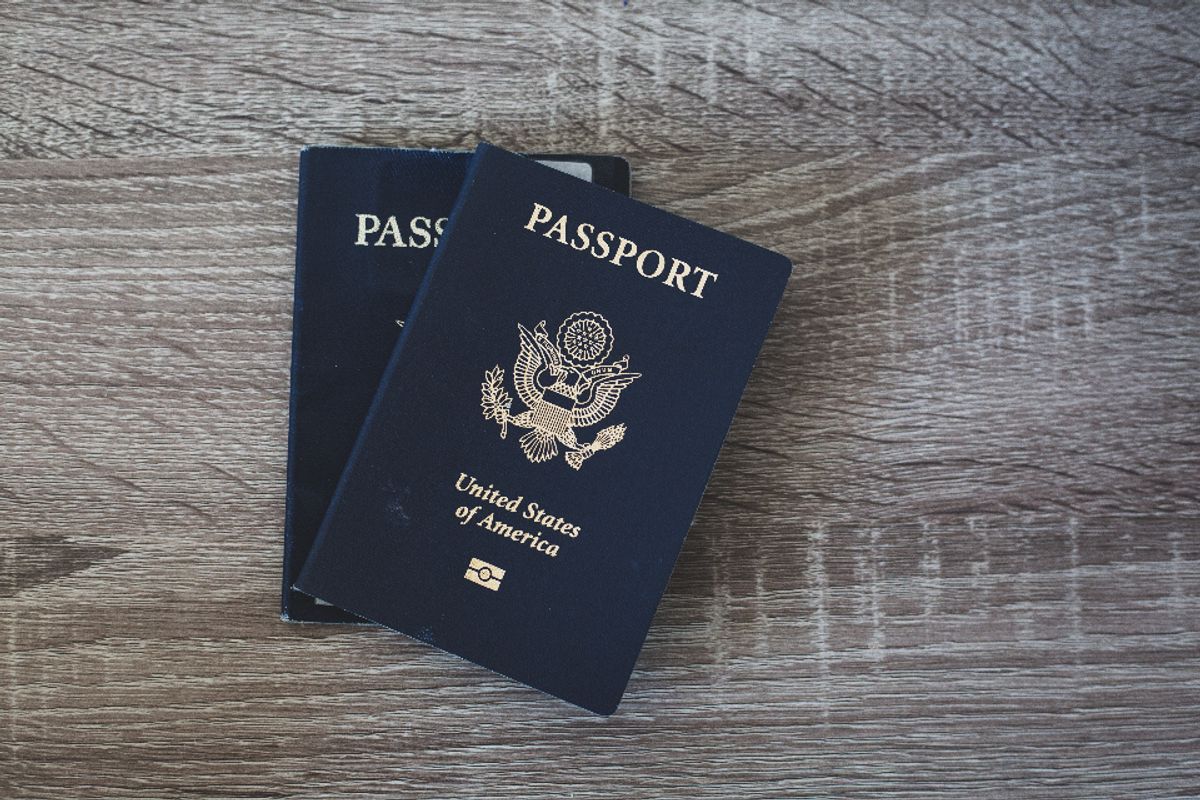
US passport rules have changed direction twice in a few years. Starting in 2022, the State Department let applicants select an X marker instead of M or F. On January 20, 2025, an executive order directed federal agencies to list sex "at conception" on identity documents, and the State Department stopped issuing passports or Consular Reports of Birth Abroad with an X marker, reverting to M or F based on sex at birth. A federal judge issued a preliminary injunction in June 2025, in a case called Orr v. Trump, ordering the department to keep issuing M, F, or X passports to specific plaintiffs while the case moved forward. On November 6, 2025, the Supreme Court stayed that injunction. Passports already issued with an X marker remain valid for travel and reentry, according to the State Department.
If you hold or are applying for a US passport with an X marker, check travel.state.gov again before you fly. This is one of those situations where the guidance you read last month may already be out of date.
How Canada and the UK compare
Not every country is moving the same direction. Canada has allowed an X gender marker on passports since 2019, alongside M and F, making it one of about ten countries currently offering the option. The UK has gone the other way: its Supreme Court and government have declined to add an X category, and passports there are still issued as M or F only, despite years of campaigning from trans rights groups. If your itinerary crosses borders with different rules, it's worth checking each country's current requirements separately rather than assuming they line up.
Airport screening, especially in the US
Even when your documents are in order, security screening can still be a hurdle. The TSA's body scanners compare passengers against a male or female reference model that an officer selects before the scan. If a traveler's body doesn't match that model, whether because of a binder, a prosthetic, or hormone therapy, the scanner flags them for extra screening, which can include a pat-down of the chest or groin area. Since 2022, TSA PreCheck members can self-select their gender for screening purposes regardless of what their ID says, and travelers who are pulled aside for a pat-down can request an officer of the gender they identify with. Airport identity checks in the US no longer factor in gender at all at the initial document check, though how each individual checkpoint handles the scanner alert still varies.
Check before you go, not at the gate
Because rules differ by country and sometimes change within months, it's worth a quick look before every trip: does your destination recognize your gender marker at all, and how do border officials there typically respond when a photo doesn't quite match how you present? The International Gay and Lesbian Travel Association (IGLTA) and ILGA World both keep country-by-country guides that cover exactly these questions. It's also worth confirming whether your travel insurance covers hormone therapy or gender-affirming care if you need it while abroad, something that's easy to overlook when booking a trip.
Frequently asked questions
Last reviewed: 18. August 2026