
Akropolis and the Parthenon offer one of the most iconic sightseeing experiences in Athens, combining monumental architecture with a striking hilltop setting. The site feels both grand and exposed: ancient stone structures rise above the city, while the surrounding skyline creates a vivid contrast between old and new. Visitors come for the atmosphere as much as for the monuments themselves, since the location carries a strong sense of scale, history, and cultural importance.
The Parthenon is the centerpiece, but the wider complex includes other highlights such as the Propylaea, the Erechtheion, and the Temple of Athena Nike. Together they form a powerful ensemble that reflects classical design and the ceremonial role of the Acropolis. A visit also rewards guests with panoramic views across Athens, making it a destination that combines archaeology, architecture, and scenery in a single unforgettable stop.
Reviews
No reviews yet. Have you been? Tell others what it was like.
Hotels near Akropolis & Parthenon
The star marks Akropolis & Parthenon. Tap the map for prices and availability.
Nearby Locations
Plaka
Akropolis-Museum
PÁME House
FLEX Sauna
Athina Street Apartments
Syntagma-Platz & Parlament
Tuesday: 00:00 - 00:00
Wednesday: 00:00 - 00:00
Thursday: 00:00 - 00:00
Friday: 00:00 - 00:00
Saturday: 00:00 - 00:00
Sunday: 00:00 - 00:00


From the magazine
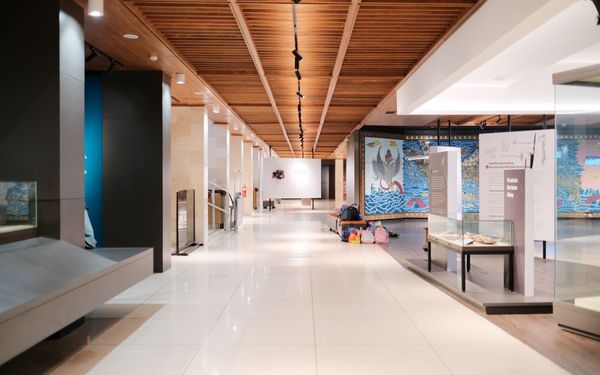
Visiting queer museums and exhibitions: How to read history in a room
Queer museums preserve more than art. They hold flyers, photographs, personal papers and everyday objects. Here is what to expect and how to plan a meaningful visit.
What a queer community centre can offer, even if you only visit once
Community centres can be a first place to ask questions, meet people or find a local referral. What to expect and how to check whether a programme suits you.
Queer in the Countryside: Finding Community Beyond the City
Millions of LGBTQ+ people live in rural areas, and many are there on purpose. What research says about the challenges, what protects rural residents, and how to find or build community far from the city.